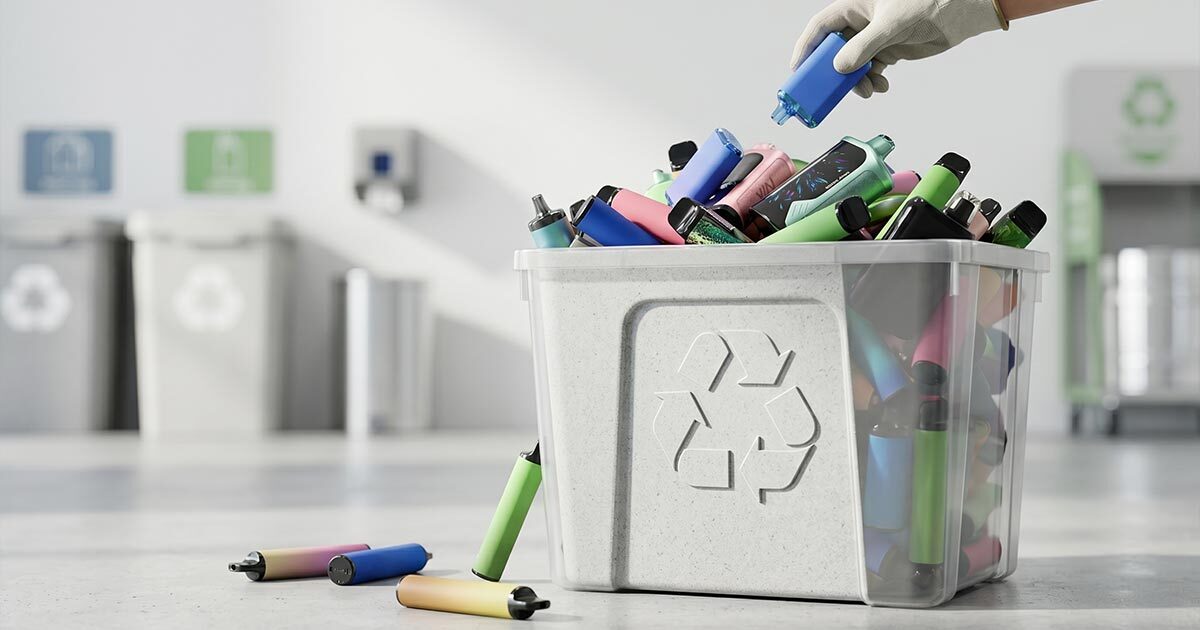
You finished your disposable vape. Now what? If your first instinct is to toss it in the nearest bin, you're not alone — but you're also not doing it right. Disposable vapes aren't like empty chip bags or plastic bottles. Every single one contains a lithium-ion battery, nicotine residue, and electronic components that classify them as hazardous waste under EPA guidelines.
Throwing them in the trash creates real risks: fires at waste facilities, toxic chemicals leaching into soil and water, and the permanent loss of lithium — a finite resource the entire tech industry depends on. This guide covers exactly what's inside your disposable, why proper disposal matters, and the clearest step-by-step path to doing it right — no matter where you are in the US.
What's actually inside a disposable vape?
Before you can dispose of something responsibly, it helps to understand what you're dealing with. A disposable vape is more complex than it looks. Inside that slim housing you'll find three components — each with its own disposal requirement.
The combination of these three elements is why the EPA classifies used e-cigarettes as hazardous waste — and why the standard trash bin is never the right answer, regardless of how small or "empty" the device looks.
Why you can't just throw it away
The "it's just one vape" logic doesn't hold when you zoom out. The US disposable vape market has grown into a multi-billion dollar industry, with hundreds of millions of units sold annually. Each one that ends up in a landfill contributes to a compounding problem across three dimensions.
Ongoing demand for lithium is already driving the opening of new mines — frequently on fragile ecosystems and indigenous cultural sites. Recycling disposable vape batteries is one small but concrete way to reduce that pressure at the consumer level.
Step-by-step: how to properly dispose of a disposable vape
Here's the practical process, from finishing your device to getting it to the right place.
Use it down completely
Vape the device until the e-liquid is fully depleted. This minimizes the nicotine residue remaining in the wick and coil, reducing the hazardous waste classification of the device. A fully depleted device is significantly safer and easier to process at a recycling facility.
Let it discharge and cool
Let the device sit at room temperature for several hours after final use. A cooled, discharged battery is much safer to handle, store, and transport. Never place a warm device directly into a sealed container.
Store it safely until disposal
Place the used device in a sealed zip-lock bag or a small non-conductive container. Keep away from heat and direct sunlight. If a device is swollen, leaking, discolored, or emitting any chemical smell, place it in a bag inside a container with sand or kitty litter and take it to an HHW facility as soon as possible — do not store it with other devices.
Save up several devices
Rather than making a trip for every single device, collect a small batch of used disposables before heading to a drop-off point. Most HHW facilities and recycling centers accept multiple devices per visit, making the effort far more worthwhile.
Drop off at the right location
Choose one of the disposal options below based on what's most accessible to you. When in doubt, an HHW facility is always the safest and most reliable choice regardless of your location.
Where to recycle disposable vapes in the US
What NOT to do
A few hard rules worth making explicit before you act on instinct:
A note on high-capacity rechargeable disposables
Modern high-puff disposables have gotten significantly better from a per-device environmental perspective — but their larger batteries mean disposal requires even more attention than older, simpler devices.
Rechargeable disposables: better longevity, bigger batteries
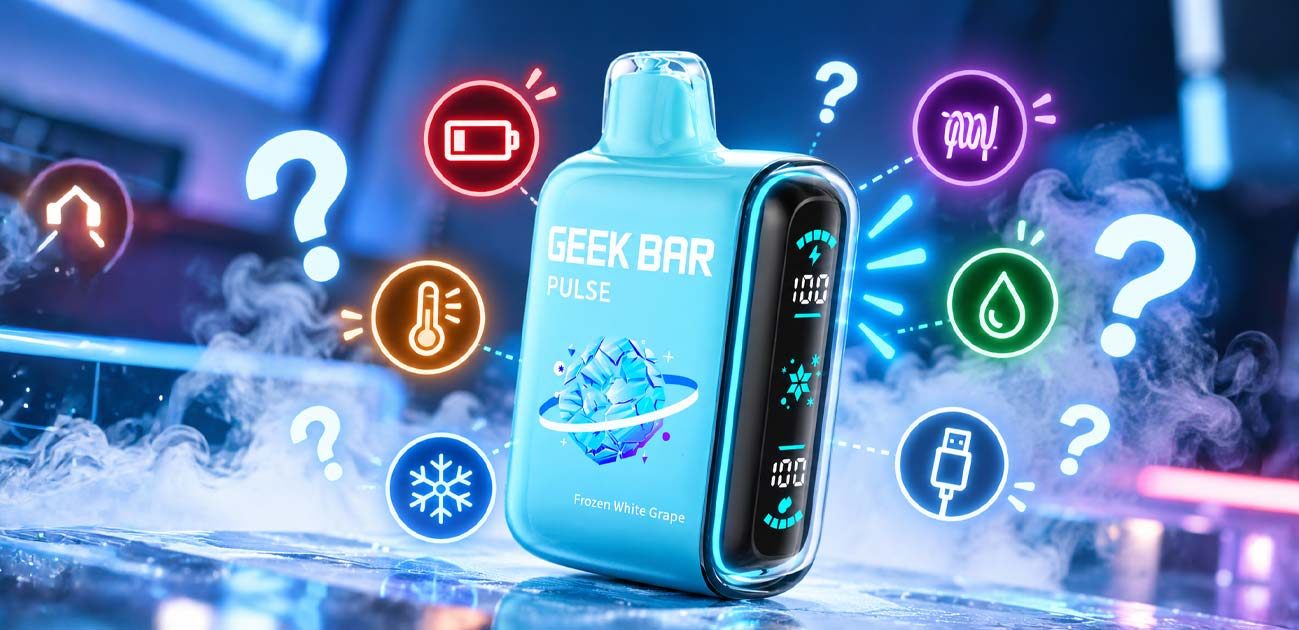
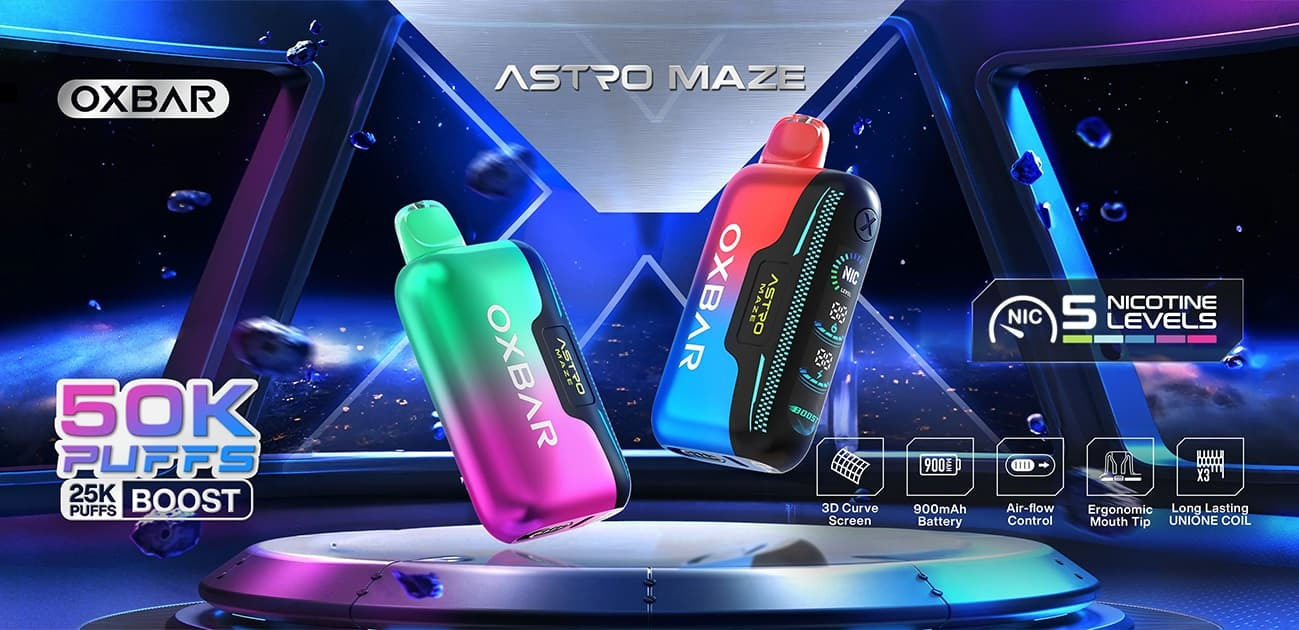
Devices like the Nexa Ultra II 50K (900 mAh) and Nexa Pix 35K (800 mAh) replace what would otherwise be dozens of smaller, shorter-lived disposables — a genuine improvement in total device waste per vaping session. Popular options like the Geek Bar Pulse 15000 (650 mAh) are also rechargeable via USB-C, extending usable life before disposal. The larger the battery, the more lithium per device — making proper recycling even more impactful when the time finally comes.
Because these devices are rechargeable, they last significantly longer between replacements, giving you more time to plan proper disposal. When the device is finally done, the same steps apply: use it down, let it cool, store it safely, and take it to an HHW facility, electronics retailer drop-off, or a mail-in recycling program.
The bigger picture: vaping and environmental responsibility
Disposable vapes have a real environmental footprint, and ignoring it doesn't make it smaller. The responsible path forward involves two things: choosing devices thoughtfully, and disposing of them correctly when they're done.
You can't change the fact that a disposable contains a lithium battery. You can choose to make sure that battery gets recycled instead of ending up in a landfill — and that starts with knowing the right steps, which you now do. Small individual actions compound at scale, and the vaping community making proper disposal a habit is one of the most meaningful ways to reduce the industry's environmental footprint over time.
Quick reference: Use it down completely → Let it cool → Store in a sealed bag → Take to your nearest HHW facility, electronics retailer drop-off, or vape shop collection bin. Never trash it. Never pour e-liquid down the drain.
WARNING: Nicotine is an addictive chemical and is toxic on skin contact. Always wear gloves when handling multiple used devices or devices with visible e-liquid residue. Keep used devices away from children and pets at all times.