Quick Answer: MTL vs DTL Vaping
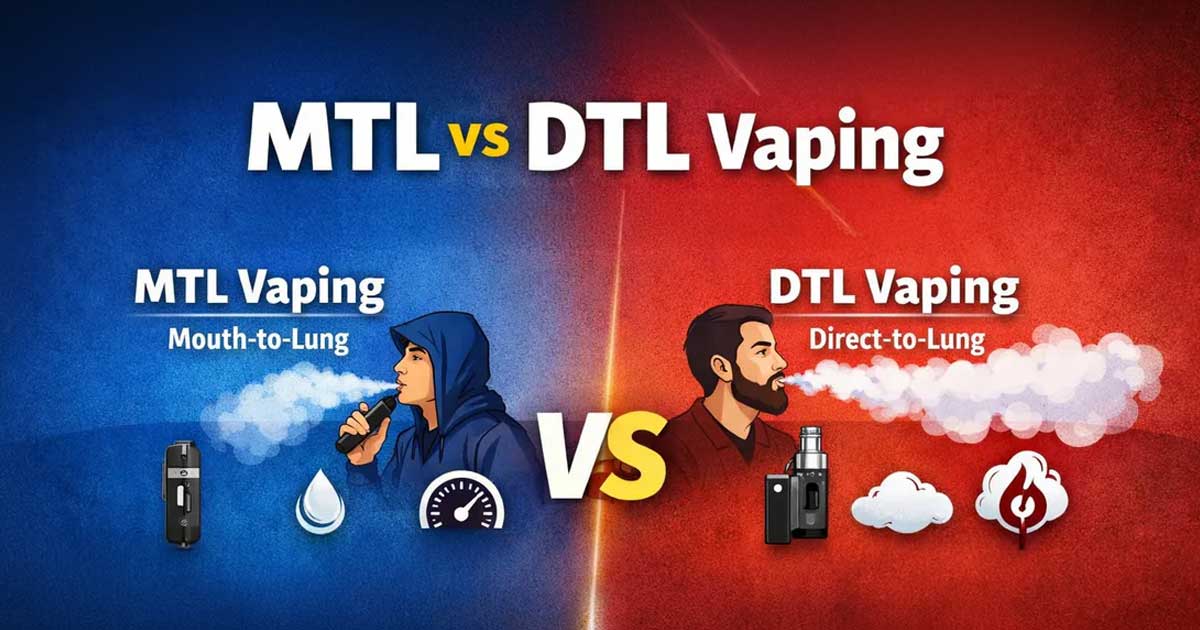
MTL (Mouth-to-Lung) vaping mimics the draw of a traditional cigarette, using tighter airflow and higher nicotine strengths.
DTL (Direct-to-Lung) vaping uses open airflow, lower nicotine levels, and produces larger vapor clouds.
If you’re coming from cigarettes or prefer a controlled, nicotine-efficient draw, MTL usually feels more natural. If you value airflow and vapor volume, DTL may be the better fit.
What Does MTL Vaping Mean?
MTL vaping stands for Mouth-to-Lung. Vapor is first drawn into the mouth, then inhaled into the lungs. This inhale style closely resembles how most people smoke traditional cigarettes.

Key Characteristics of MTL Vaping
-
Tight, restricted airflow
-
Lower vapor production
-
Higher nicotine strengths commonly used
-
Slower, more controlled draws
From a practical standpoint, many long-time smokers find MTL easier to adapt to. In daily use, it delivers nicotine efficiently without requiring large inhales or excessive vapor.
What Does DTL Vaping Mean?
DTL vaping stands for Direct-to-Lung. Vapor is inhaled straight into the lungs in one continuous breath, similar to taking a deep breath through a straw.

Key Characteristics of DTL Vaping
-
Open, airy airflow
-
Large vapor clouds
-
Lower nicotine strengths
-
Longer, deeper inhales
DTL is often preferred by users who enjoy airflow and vapor density. It feels very different from smoking and typically requires more airflow and lower nicotine to remain comfortable.
MTL vs DTL: Side-by-Side Comparison
| Feature | MTL Vaping | DTL Vaping |
|---|---|---|
| Inhale Style | Mouth → Lungs | Direct to Lungs |
| Airflow | Tight | Open |
| Vapor Output | Low to moderate | High |
| Nicotine Strength | Medium to high | Low |
| Draw Speed | Slow | Long, steady |
| Best For | Former smokers | Cloud-focused users |
This difference alone explains why one style feels instantly comfortable to some users and completely wrong to others.
Nicotine Strength: Why It Matters More Than You Think
Nicotine strength is one of the biggest factors separating MTL and DTL vaping.
MTL Nicotine Use
MTL setups commonly use higher nicotine concentrations. Because vapor volume is lower, nicotine delivery remains controlled and efficient.
This is one reason many former smokers gravitate toward MTL disposables and pod systems.
DTL Nicotine Use
DTL devices produce far more vapor per inhale. Because of that, nicotine strengths must stay lower to avoid discomfort.
Higher nicotine levels combined with DTL airflow can feel overwhelming very quickly.
Flavor Perception: MTL vs DTL
One common argument for DTL vaping is flavor intensity. While DTL produces more vapor, flavor experience depends on several factors.
MTL Flavor Experience
-
More concentrated per puff
-
Subtle flavor layers
-
Consistent from start to finish
Based on daily use, many MTL users find flavors feel cleaner and more controlled, especially with fruit or menthol profiles.
DTL Flavor Experience
-
Bold initial flavor
-
Strong aroma
-
Can fade faster during long sessions
Some users perceive DTL flavors as stronger due to vapor volume, not necessarily higher flavor concentration.
Vapor Production and Visibility
DTL vaping undeniably produces larger clouds. For some users, this is a major part of the appeal.
MTL vaping focuses less on vapor output and more on efficiency and discretion. This can matter in everyday settings where large clouds aren’t practical.
Device Compatibility: Not All Vapes Are the Same
Devices Typically Used for MTL
-
Tight-airflow disposables
-
Low-power pod systems
-
Higher-resistance coils
Devices Typically Used for DTL
-
Open-airflow disposables
-
Sub-ohm tanks
-
High-power devices
Hybrid Devices Offering Both Styles
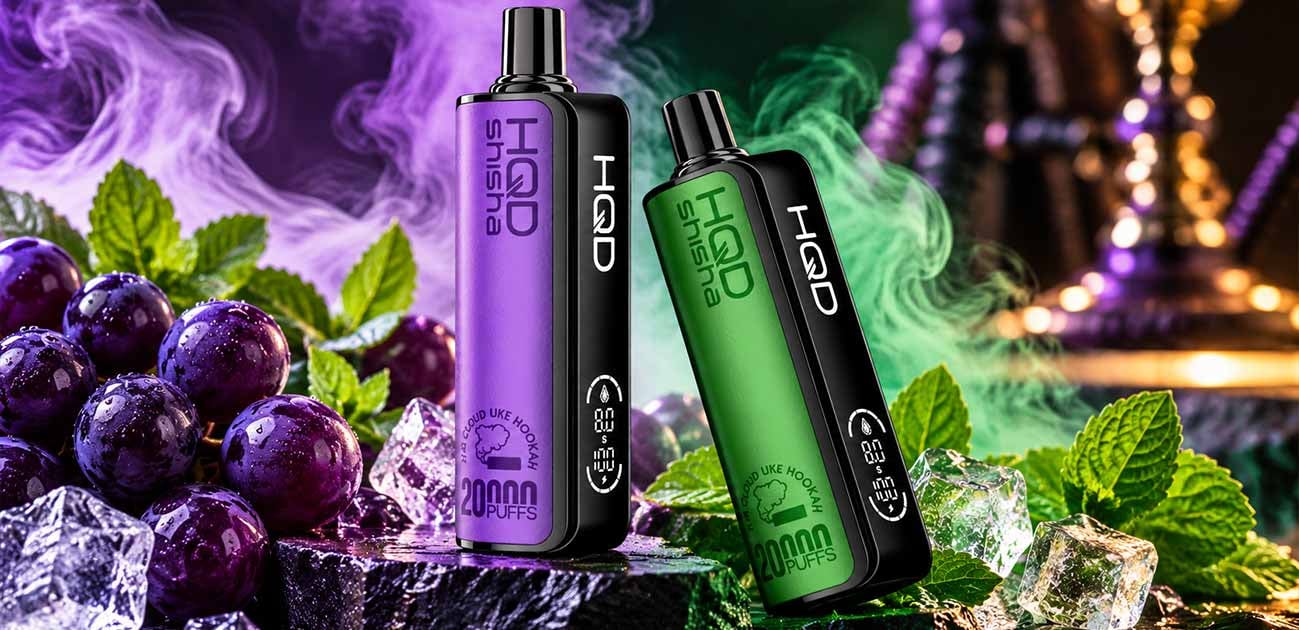
Some modern disposables allow airflow adjustment or dual-mode use. Products like the HQD Shisha are examples that can support both MTL-leaning and DTL-leaning draws depending on airflow and usage.
These devices appeal to users who want flexibility without switching hardware.
Which Vaping Style Is Better for You?
There is no universally “better” option. The right choice depends on how you inhale, what you value, and your nicotine preferences.
Choose MTL If You:
-
Prefer a cigarette-like draw
-
Use higher nicotine strengths
-
Want a controlled, efficient inhale
-
Value discretion over vapor size
From experience, long-time smokers often settle comfortably into MTL and never feel the need to switch.
Choose DTL If You:
-
Enjoy open airflow
-
Prefer lower nicotine levels
-
Like visible vapor production
-
Take longer, deeper inhales
Some users enjoy the sensory experience of DTL even if it feels very different from smoking.
Can You Switch Between MTL and DTL?
Yes, but it requires adjustments.
Switching inhale styles often means changing:
-
Nicotine strength
-
Airflow settings
-
Puff duration
Jumping from MTL directly to DTL without lowering nicotine can feel uncomfortable. Likewise, using very low nicotine in a tight MTL setup may feel unsatisfying.
Final Verdict: MTL vs DTL Vaping
MTL and DTL vaping serve different preferences, not different skill levels.
MTL excels at familiarity, efficiency, and controlled nicotine delivery.
DTL excels at airflow, vapor production, and a more open inhale experience.
In real-world use, many people try both but ultimately stick with the style that feels natural from the first few puffs.
MTL vs DTL Vaping: frequently asked questions
What is the difference between MTL and DTL vaping?
MTL (mouth-to-lung) vaping draws vapor into the mouth first and then into the lungs, using tighter airflow, higher nicotine strengths, and producing lower vapor output. DTL (direct-to-lung) vaping inhales vapor straight into the lungs in one continuous breath, using open airflow, lower nicotine levels, and producing larger vapor clouds.
What does MTL mean in vaping?
MTL stands for mouth-to-lung. Vapor is first drawn into the mouth and then inhaled into the lungs, an inhale style that closely resembles how most people smoke traditional cigarettes. It is characterized by tight, restricted airflow, slower controlled draws, and commonly higher nicotine strengths.
What does DTL mean in vaping?
DTL stands for direct-to-lung. Vapor is inhaled straight into the lungs in one continuous breath, similar to taking a deep breath through a straw. It uses open, airy airflow, longer and deeper inhales, lower nicotine strengths, and produces large vapor clouds.
Is MTL or DTL better for beginners?
MTL is generally easier for beginners because it closely resembles the inhale style of traditional cigarettes. Long-time smokers often find MTL feels natural and adapt to it comfortably without needing large inhales or excessive vapor.
Which is better for flavor, MTL or DTL?
Flavor experience depends on several factors rather than inhale style alone. MTL flavors tend to feel more concentrated per puff, cleaner, and consistent from start to finish, while DTL delivers a bold initial flavor that some perceive as stronger because of the larger vapor volume — though that can fade faster during long sessions.
Which style produces bigger clouds, MTL or DTL?
DTL vaping produces larger clouds, which for some users is a major part of the appeal. MTL focuses less on vapor output and more on efficiency and discretion, which can matter in everyday settings where large clouds are not practical.
Why does MTL use higher nicotine than DTL?
MTL setups produce lower vapor volume, so nicotine delivery stays controlled and efficient even at higher concentrations, which is why many former smokers prefer MTL disposables and pods. DTL devices produce far more vapor per inhale, so nicotine strengths must stay lower to avoid discomfort.
Can disposable vapes be MTL or DTL, and can one device do both?
Yes. Some disposables are built specifically for MTL with tight airflow, while others use open airflow for DTL. Certain modern disposables and adjustable devices offer airflow adjustment or dual-mode use that can support both MTL-leaning and DTL-leaning draws depending on airflow and usage.